Who Inspects Cruise Ships?
Flag states, class societies, the Coast Guard and the CDC, explained.
Get Free Quotes From a Cruise AdvisorA cruise ship answers to several authorities at once. Knowing who checks what helps you understand how safe cruises are — and why the rules are so consistent from line to line.
The International Rulebook
The International Convention for the Safety of Life at Sea (SOLAS), adopted through the International Maritime Organization, sets the baseline for passenger ships: construction, fire protection, lifesaving appliances, drills, navigation and communications. Other conventions cover crew training and watchkeeping (STCW) and pollution (MARPOL).
Who Checks the Ship
| Authority | What it does |
|---|---|
| Flag state | The country of registry certifies the ship under international conventions, usually through classification societies acting for it. |
| Classification society | Surveys the hull, machinery and systems during building and throughout the ship’s life. |
| U.S. Coast Guard (port state) | Examines foreign-flag passenger ships that embark passengers in U.S. ports, issues a Certificate of Compliance and verifies it every year. |
| CDC Vessel Sanitation Program | Two unannounced sanitation inspections a year on ships with U.S. ports in their itinerary. |
| The FBI and DOT | Receive and publish reports of alleged serious crimes under the Cruise Vessel Security and Safety Act. |
Inside a Coast Guard Exam
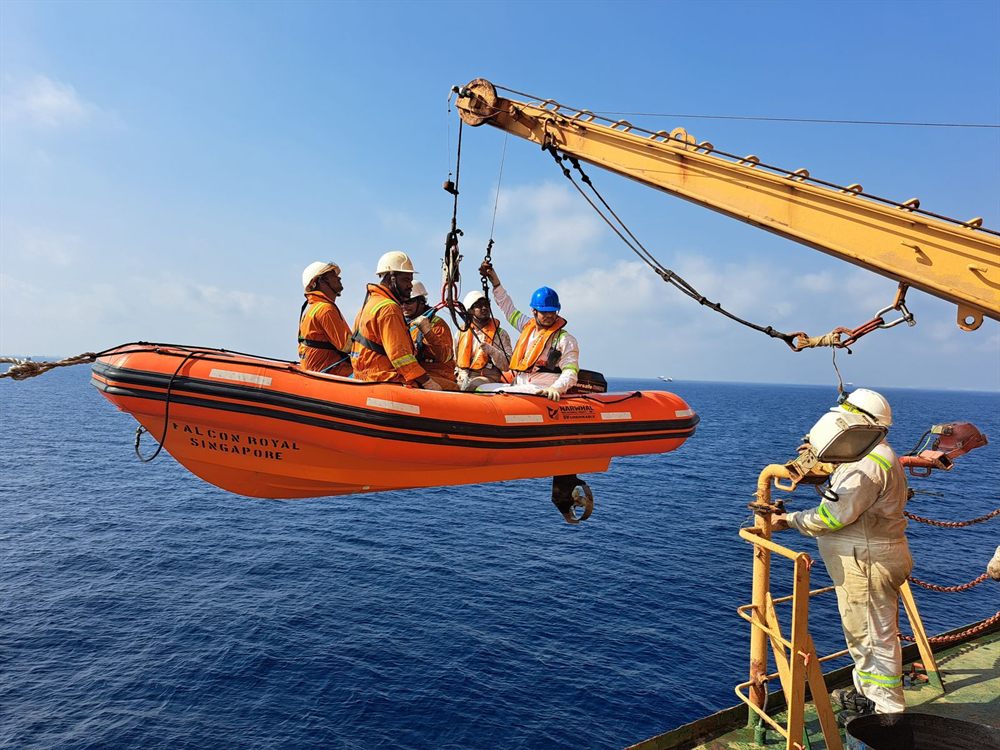
Before a foreign-flag ship can embark passengers at a U.S. port for the first time, a Coast Guard team conducts an initial Certificate of Compliance examination over several days. After that the certificate is verified annually. Examiners check statutory documents and crew certifications, firefighting and lifesaving equipment, and they watch the crew run a fire and abandon-ship drill to confirm the crew is properly trained. Examiners can also spot-check items such as rail heights and cabin peepholes required by U.S. law.
What This Means for You
For travelers, the practical result is consistency. Whatever line you choose, if your ship sails from a U.S. port it has passed the same Coast Guard examination regime and sanitation program as every other. Differences between lines show up more in service and style than in basic safety standards. For travelers sailing from ports outside the U.S., flag-state and local port-state controls apply instead, and CDC records will not cover the ship unless it also calls in the United States.
Keep Reading
- How ships are designed for safety, from lifeboats to fire zones, at Cruising Is Safe.
- The muster drill, the part of SOLAS every guest takes part in.
- Official cruise ship safety statistics under U.S. law.
Inspection Questions
Why are most cruise ships registered in other countries?
Ships are registered with a flag state, often the Bahamas, Panama, Malta or Bermuda. The flag state certifies the ship under international conventions, and port states such as the United States examine foreign ships that use their ports.
Does the Coast Guard inspect foreign cruise ships?
Yes. Foreign-flag passenger ships that embark passengers at U.S. ports must hold a Coast Guard Certificate of Compliance, which is verified each year and includes witnessing a fire and abandon-ship drill.
Book With an Advisor Who Knows the Rules
Our cruise advisors at Mister Cruise can answer questions about any ship or line and send free quotes.
Get Free Cruise Quotes