Staying Healthy on a Cruise
Norovirus is tracked closely at sea. A few habits protect you.
Get Free Quotes From a Cruise AdvisorThe illness people worry about most on a cruise is norovirus, the “stomach bug” that also spreads in schools, hotels and nursing homes. Ships are watched closely for it, and a few habits cut your own risk sharply.
Why It Gets Noticed on Ships
Ships under CDC’s Vessel Sanitation Program must log every guest and crew member who reports gastrointestinal symptoms to the medical center and report the numbers to the program. That level of tracking is unusual: an outbreak at a resort on land may never be counted, while one at sea is. When 3% or more of passengers or crew on a voyage report symptoms, CDC posts it on its public outbreak list. Lines respond with intensive cleaning and, where needed, isolation of sick guests.
Habits That Work
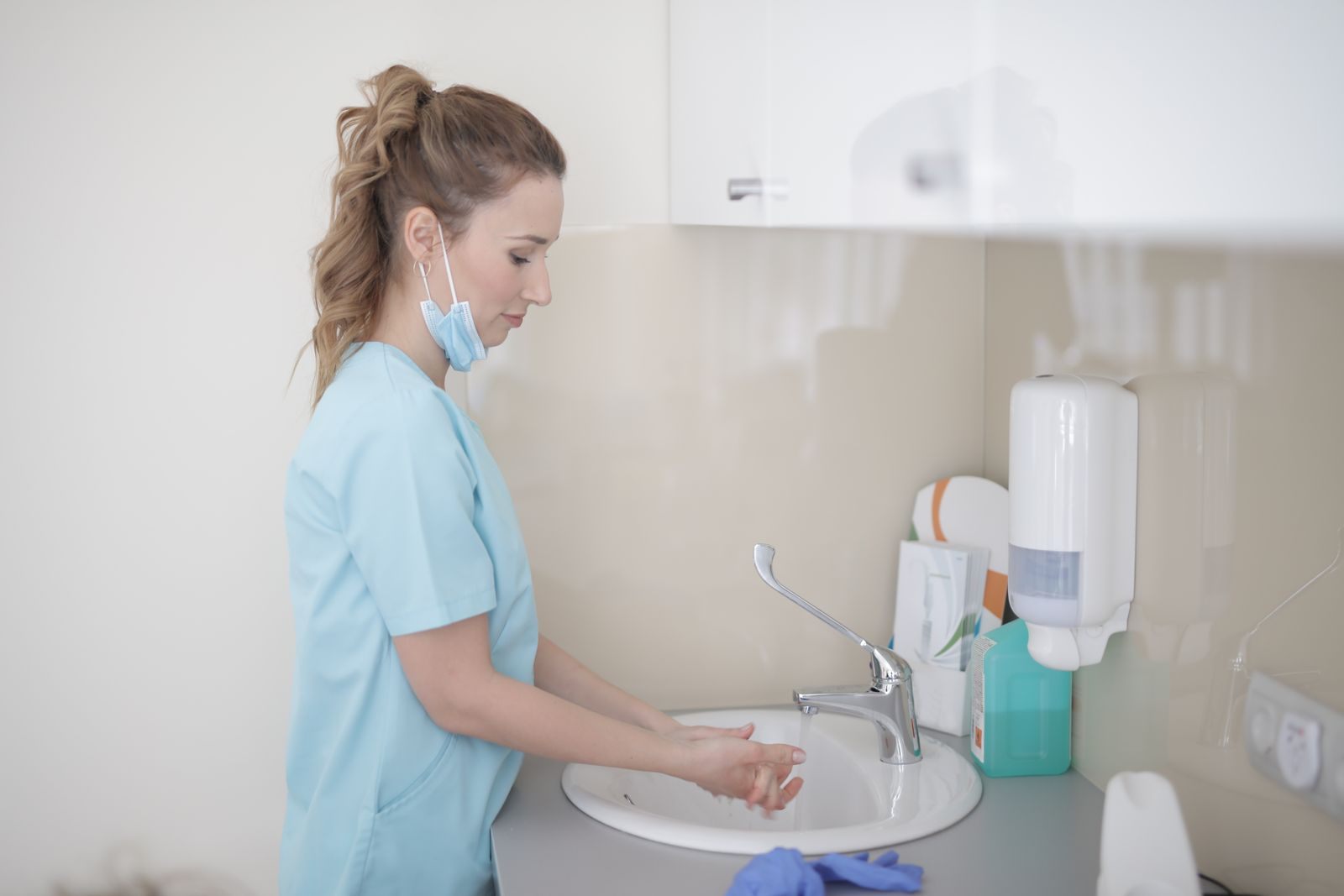
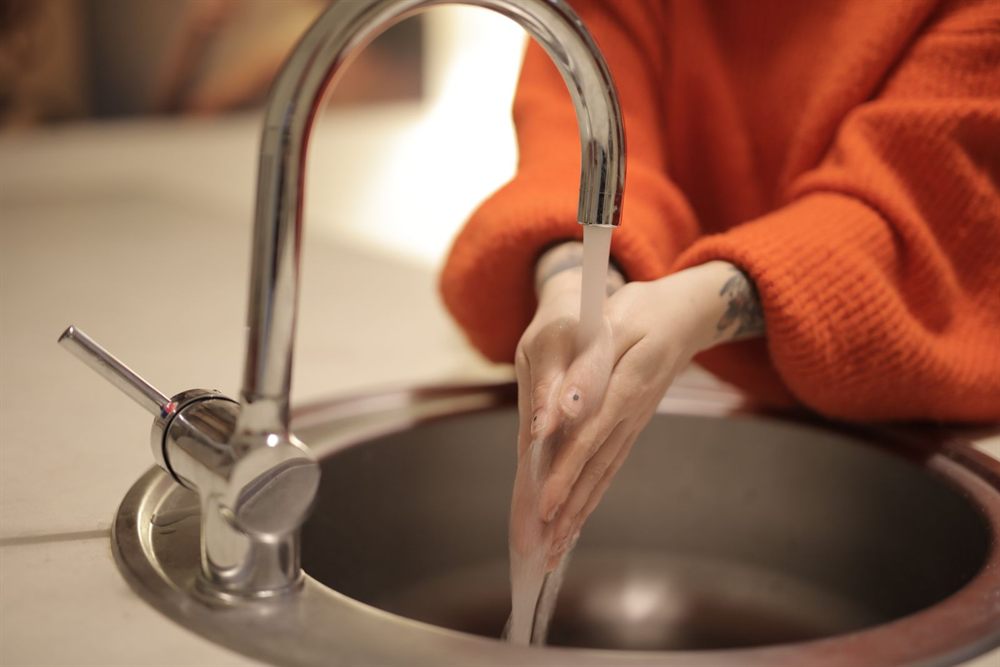
- Wash with soap and water before eating and after the bathroom. CDC advises that alcohol sanitizer is not a substitute for handwashing against norovirus.
- Use the hand-washing stations at buffet entrances, every time.
- Avoid touching your face after handrails and elevator buttons.
- Report symptoms early to the medical center; it protects everyone, including you.
- Stay hydrated, especially in hot ports and if you are unwell.
If You Feel Unwell
Call the medical center rather than walking in, so staff can advise you and limit spread. You may be asked to stay in your cabin for a period; room service and follow-up are arranged. Medical care on board is usually charged to your account, which is one reason travel insurance with medical cover is worth considering.
Other Health Basics
- Bring enough prescription medicine for the whole trip plus a few extra days, in original containers.
- Pack motion-sickness remedies if you are prone to it, and ask your doctor before relying on new ones.
- Use sunscreen and shade on deck; sea breezes hide how strong the sun is.
- Check your line’s current health and vaccination requirements, which can change.
How Outbreak Reports Help You
CDC’s outbreak pages name the ship, the dates, the numbers of guests and crew reporting illness and, when known, the cause. They are a factual record, not a ranking. A ship with one posted outbreak may have dozens of uneventful sailings around it. Use the list together with inspection scores rather than on its own.
For a wider look at medical care at sea and what ship medical centers can treat, see our sister site Cruising Is Safe.
Traveling With Someone Vulnerable
Older travelers, people with weakened immune systems and families with babies take the same precautions as everyone else, only more consistently. Pack your own small bottle of liquid soap for shore days, choose seated dining over the buffet at busy times if you prefer, and ask the medical center on day one about its hours and how to reach it at night. If a crew member asks you to use the hand-washing station or to take a fresh plate, that is the system working as intended.
Health Questions Before You Book?
Tell us about any health or mobility needs. Our cruise advisors at Mister Cruise will suggest suitable ships and send free quotes.
Get Free Cruise Quotes